Download our Washoe History: Past and Present packet — created by the Tribal Historic Preservation Office
"the homelands of the Washoe People"
As the Waši·šiw creation story goes, the people were brought to their homelands surrounding Lake Tahoe by coyote (the coyote) and told that this is the place the Waši·šiw People were meant to be by hemešu, heridgu the lord of all the plants, medicines and animals of this place to grow strong in order to provide nourishment for the Waši·šiw and she reminded the people of their responsibility to care for this place (one of several creation stories).
"The center of the Waši·šiw world is dáʔaw (Lake Tahoe) both geographically and spiritually."
Like most native peoples our lifestyles revolved around the environment; the people were part of the environment, and everything was provided by the environment.
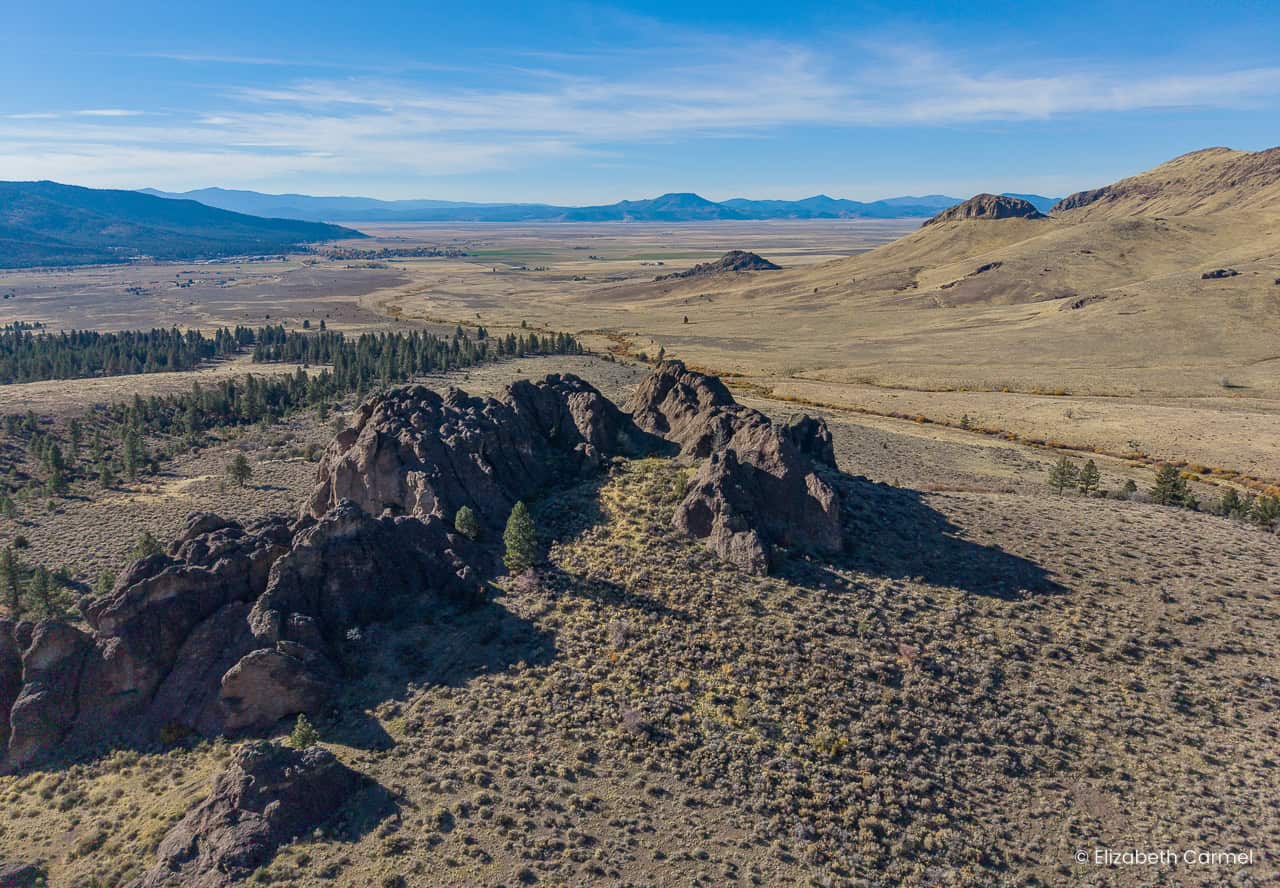
The Waši·šiw people are a distinct people who share commonalities with both the Great Basin and the California Cultures. The family unit is the core of the tribe. The families composed the local groups and made up a band. The Waši·šiw were recognized by what part of the territory they came from. The four directions of Waši·šiw territory are occupied by different bands of the Waši·šiw that made up the whole of the tribe. Although one tribe, each band was unique in its own area of occupation with subtle differences in cultural diversity and language patterns.
Summers were spent at dáɁaw and all parts of the territory. Large Cutthroat Trout lived in all the lakes and streams along with freshwater clams and other fish once plentiful, sustained the people throughout the year. Large and small game was once plentiful. Plant gathering for food, utilitarian and medicinal use is still actively practiced by Tribal Members in all parts of Wá∙šiw lands. During the fall the Wá∙šiw traveled to the pine nut hills to gather ťágɨm (pinion nuts) or to the western slope of the Sierras to gather máluŋ (acorns). The fall was also time for hunting. Rabbit drives were conducted throughout the valleys at the designation of the Rabbit Boss, and the meat and pelts gathered were used to sustain the people through the long winters. During the winters the Wá∙šiw would travel to lowland valleys where the harsh winter snows felt by the Sierra Mountains would be bearable. When the snows started melting, it was a time for renewal and it was time to begin the cycle of life again.
During the California gold rush, just west of Washoe territory, thousands of miners and immigrants flooded Waši·šiw lands in a relatively short time period and they stayed here, disrupting the balance, changing the Waši·šiw world forever in only a few short years.
The demand on the natural resources by the immigrant population depleted much of it. The logging industry denuded the forests and scarred the Pine Nut Mountains to support the mining industry and towns that sprang up everywhere. The fisheries at Lake Tahoe once bountiful with the native cutthroat trout have been reduced to nothing and livestock replaced the native herbivores.
The Tribal Historic Preservation Office of the Washoe Tribe of Nevada and California is asking you to respect your history and culture and leave cultural resources alone for our future and future generations.
It is illegal to excavate, remove, deface, damage, alter or desecrate heritage resources on Washoe Tribal lands under Title 5 of the Law and Order Code. On Federal Trust Lands archaeological resources are protected under the Archaeological Resources Protection Act. Tribal and federal laws have penalties for offenses against heritage resources
"The health of the land and the health of the people are tied together, and what happens to the land also happens to the people. When the land suffers so too are the people."
A. Brian Wallace, Former Chairman
Wá∙šiw has been classified as a distinct branch of the Hokan Language Family known as Washoan; although, the Hokan Language Family itself has been questioned as many of the languages previously included are now considered to be a language isolate by many. The uniqueness of the Wá∙šiw language is directly related to the uniqueness of the Wá∙šiw homeland. The Wá∙šiw fought to maintain their language in the face of a government that once vigorously tried to exterminate the language. Boarding Schools were built on the principle of “kill the Indian, save the man” in hopes of pushing the Indigenous people towards “civilization.” However, in light of draconian policies and practices of the Federal Government the Wá∙šiw people have been able to maintain our language and culture for the future. In the mid 1990’s an immersion school was started by a handful of Wá∙šiw elders and parents who saw a lack of Wá∙šiw language and culture as the primary cause for a multitude of social ills that Wá∙šiw youth were struggling to overcome. This led to the creation of “Wá∙šiw Wagayay Maŋal” or “the house where Wá∙šiw is spoken”, a language immersion school dedicated to the revival of the Wá∙šiw language and culture. All mediums of education were taught from a Wá∙šiw centric worldview and through the Wá∙šiw language. Meaning, that Wá∙šiw notions of relationship, respect, tradition, and responsibility were founding principles for the operation of the school.
Since the closing of the immersion school, the demand for language and culture among youth has only increased. The Cultural/Language Resources Department, which now houses the Language Program, has taken on the task of language and cultural revitalization within the Washoe Tribe. However, this is not a new struggle; it is the continuation of what Wá∙šiw elders had started decades ago. Without the perseverance of the people who have fought to maintain the Wá∙šiw language and culture for the future, our people would not be here. It is this struggle for cultural survival and acceptance that the Washoe Tribe looks to overcome so that future generations of Wá∙šiw people will not have to fight anymore, but can live as Wá∙šiw people.
"The language, culture and the people cannot be separated. The language is the identity of the Washoe People."
Steven James, Tribal Elder
Washoe History: Past and Present
Full packet created by the Tribal Historic Preservation Office